


Pathologist
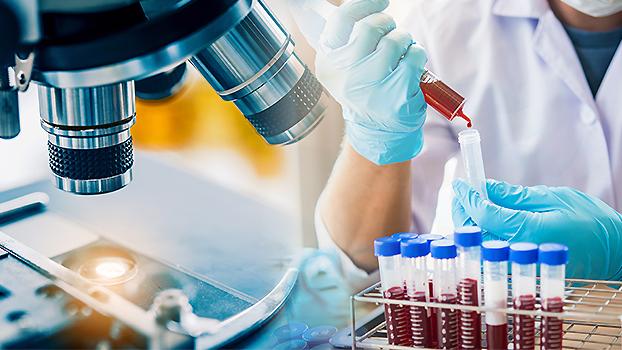
Pathologists are experts in the nature, causes and processes of diseases. Over 70% of all diagnoses involve pathology tests. They provide the evidence to diagnose cancers, infectious diseases and diseases such as diabetes and rheumatoid arthritis. Pathologists play an important role in blood transfusion services as well as solving tough cases using tissue testing including blood, body secretions and tissue samples to determine the cause of illness or death.
Working conditions
Pathologists work in laboratories predominately in large public or private practices, or in public and private hospitals. They are exposed to most aspects of medical practice however may not be directly involved in patient care. Pathology is very much a team effort with pathologists working very closely with scientists, laboratory technicians and other medical specialists.
Pathologists in the health and medical life sciences sector examine tissues, blood and other body fluids to diagnose disease, guide treatment and support medical research. They oversee laboratory testing to ensure accuracy, interpret results for clinicians, and contribute to patient care by identifying conditions such as cancer, infectious diseases and genetic disorders. Pathologists may also specialise in areas such as clinical, chemical, genomics and forensic pathology. Many pathologists in Western Australia are also involved in overseeing clinical trials, with PathWest (the State?s public pathology provider) managing around 700 active clinical trials and driving translational research in genomics, diagnostics, and infectious disease surveillance.
In general, all disciplines of pathology provide a good work/life balance with the option of part time work and flexible working hours. Working conditions are usually comfortable however pathologists may sometimes deal with unpleasant conditions due to a patient's infection or illness. Maintaining strict hygiene practices is important.
Tools and technologies
Pathologists are employed across a wide range of settings including clinical laboratories, pharmaceutical companies, biotechnology companies and contract research organisations (CROs), medical research institutes and universities. They use tools for viewing, cutting, embedding and sectioning and aspirating specimens to diagnose diseases or for testing the effectiveness of drug products.
Overall laboratories are highly technical workspaces with elaborate instruments and computer technologies which need to be managed by the pathologist. They often work with hazardous chemicals and biological matter which will require them to wear protective clothing.
Education and training
To become a Medical Practitioner, you must complete a university degree in medicine. Another pathway is to first undertake a related undergraduate program, such as a Bachelor of Science in Biomedical Science, and then progress to a postgraduate medical degree.
Curtin University, University of Notre Dame and the University of Western Australia (UWA) offer Doctor of Medicine courses that can lead to becoming a pathologist.
Curtin University, University of Notre Dame and the University of Western Australia (UWA) offer Doctor of Medicine courses that can lead to becoming a pathologist.
To specialise in pathology, doctors can apply to the Royal College of Pathologists of Australasia (RCPA) to undertake further training and ultimately receive fellowship. To be eligible for this specialist training, on completion of your medical degree, you must work in the public hospital system for a minimum of two years (internship and residency).
For details on course structure, entry requirements and application deadlines, please contact the educational institutions directly.
Share this occupation


Free support and assistance
Your local jobs and Skills Centre can provide free information, support and assistance to help you decide on the best training options to meet your goals.


Disclaimer
The information presented on the occupation profiles within this website is offered as a guide only.