


Technical cable jointer
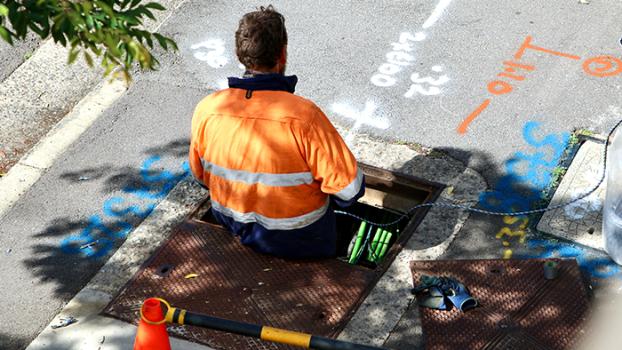
Cable jointers lay, joint, terminate and repair underground power cable. Cable jointers lay new power cables through underground pipes and terminate them at electrical equipment. They also conduct tests to check cable integrity and locate faults.
Working conditions
Cable jointers work outdoors in most weather conditions, and may be in confined spaces. In order to minimise the risks associated with working with high-voltage electricity, they must follow strict safety requirements. They may also be expected to be on call to respond to emergencies that occur outside of regular hours.
Cable jointers can be employed by government owned electricity network operates, by specialised cable jointing companies, by electrical contractors or by large companies who operate their own private electricity network.
Tools and technologies
Cable jointers lay insulated power cables and use specialised tools and electrical equipment to joint and terminate these cables. They also use electrical instruments, such as multimeters, insulation resistance testers and specialised instruments to assess the cables integrity and whether it is performing appropriately.
Safety is a key concern when working with power cables, so cable jointers must wear protective clothing including, protective clothing, safety footwear, safety glasses and for some tasks they must wear specialised personal protective equipment.
Education and training
To become a technical cable jointer you usually need to undertake an apprenticeship in Electrical Supply Industry (ESI) cable jointing (level 3). The apprenticeship usually takes 48 months to complete.
Share this occupation


Free support and assistance
Your local jobs and Skills Centre can provide free information, support and assistance to help you decide on the best training options to meet your goals.


Disclaimer
The information presented on the occupation profiles within this website is offered as a guide only.