


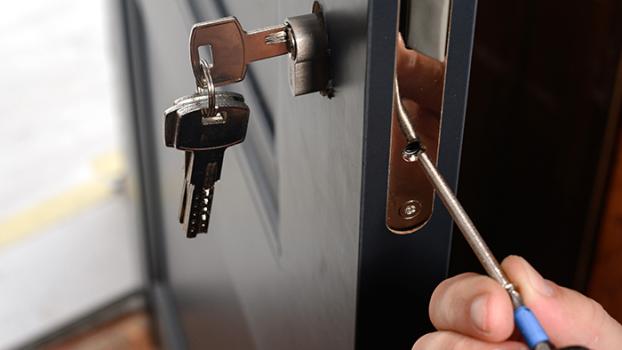
Locksmith
Locksmiths assess the security needs of their clients, install appropriate alarms and locking systems, and access/maintain control systems and security systems. They may also need to repair or maintain locking or security systems. This may involve working with traditional mechanical locks or highly technical electronic security systems in homes or commercial properties. Besides residential security systems, locksmiths may also be employed to work on security systems for government organisations or for the automotive industry. Many locksmiths are self-employed.
Working conditions
A locksmith would normally work 38 hours per week, Monday to Friday. However they need to be prepared to work weekends installing systems, and to be called out at any hour to 'rescue' people who have locked themselves out. This is especially true if they are self-employed.
Locksmiths may work in a shop or out, on-the-road. They will often have to work on a client's premises. They may be required to work in awkward or confined spaces.
Tools and technologies
Depending on the area they work in, locksmiths my need to be adept in using specialised tools, such as welding equipment and those used in precision handy work. They may also be involved in security systems utilised in the information technology industry.
Education and training
To become a locksmith you usually need to undertake an apprenticeship in lock smithing. The apprenticeship usually takes 48 months to complete.
Share this occupation



Free support and assistance
Your local jobs and Skills Centre can provide free information, support and assistance to help you decide on the best training options to meet your goals.


Disclaimer
The information presented on the occupation profiles within this website is offered as a guide only.