



Laboratory technician
A laboratory technician assists biomedical scientists, medical researchers and other laboratory professionals by collecting samples and conducting tests on a broad range of substances and recording the results for further analysis. Their responsibilities also include calibrating instruments, maintaining specialised scientific testing equipment, and ensuring all procedures meet safety and quality standards. They also keep detailed records of all tests and experiments.
Working conditions
Laboratory technicians may work for laboratories, educational institutions, medical research institutes, pharmaceutical, biotechnology and medical technology companies, contract research organisations (CROs) and healthcare environments. They may also be assisting chemists and scientists performing chemical testing to analyse products such as chemicals, cosmetics, plastics, pharmaceuticals and paints.
Their work often involves preparing and analysing biological samples such as blood, tissue and other specimens and may work with potentially hazardous materials. Following proper workplace safety standards greatly minimises any associated risks.
Tools and technologies
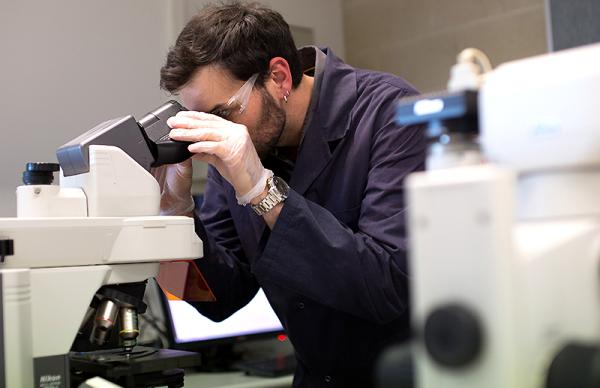
Laboratory Technicians use a wide range of general scientific equipment such as test tubes, volumetric flasks and pipettes, alongside specialised testing and measuring equipment and computer-controlled machinery. They often need to wear special protective clothing such as safety glasses and laboratory coats.
Education and training
To become a laboratory technician, you'll typically need to gain a qualification in laboratory technology or laboratory techniques.
The Certificate III and Certificate IV in Laboratory Techniques and Diploma of Laboratory Technology are offered at TAFE colleges and other registered training organisations throughout Western Australia. Browse courses through Jobs and Skills WA to find a registered provider near you.
You can also undertake a traineeship in laboratory techniques (level 4) or laboratory technology (level 5). The traineeships usually take 24 to 36 months to complete.
Although not essential for entry-level laboratory technician roles, several universities in Western Australia including Curtin University, Edith Cowan University (ECU), Murdoch University, the University of Notre Dame and the University of Western Australia (UWA) offer related courses that can broaden your knowledge and open pathways to advanced positions.
For details on course structure, entry requirements and application deadlines, please contact the educational institutions directly.
Share this occupation


Free support and assistance
Your local jobs and Skills Centre can provide free information, support and assistance to help you decide on the best training options to meet your goals.


Disclaimer
The information presented on the occupation profiles within this website is offered as a guide only.