

Certificate III in Supply Chain Operations (Warehousing Operations)
If you would like to become a warehouse operator, storeperson, logistics worker or postal officer — this is the course for you. Learn how a warehouse operates, and how to manage goods for receival, dispatch and delivery.
Every day in Australia, millions of products are stored in warehouses or are sent from warehouses out to customers and businesses. With this course, you'll be job ready to start your career in warehousing.
Whether it's working in a smaller local warehouse, or a massive global distribution centre such as the Amazon Fulfilment Centre utilising automation technology and innovative logistics procedures (featured in the video below), this is a career that offers a fantastic range of job and career options and opportunities.
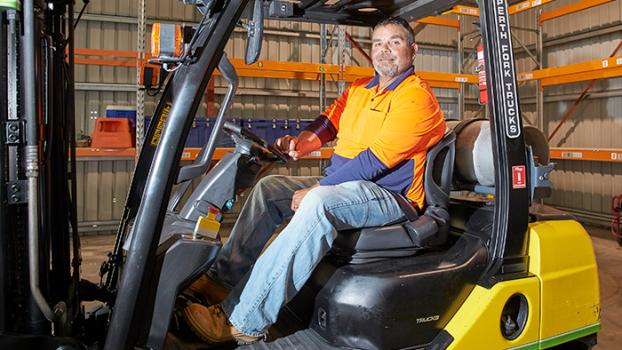
You'll learn all aspects of working in warehouse operations, including how to complete receival and despatch paperwork; check specifications of goods and store items; prepare items for despatch or pickup; conduct stocktakes; manage and monitor inventory; and lift and carry items safely.
Completion of this nationally recognised and accredited qualification can provide credit towards a relevant higher level qualification, should you wish to pursue further study.


Training option
- Apprenticeship or traineeship
Industry areas
- Aquaculture, Maritime and Logistics
- Aerospace, Maritime and Logistics
Study area
- Logistics and Warehousing
Course ID
- National ID: TLI30325
- WA State ID: AF08
This course is available from registered training organisations (accredited private training providers) that are also funded through Jobs and Skills WA. Select from the list below, and follow the link to the provider's website for further information about the course and how to enrol.
This course is open to the general public, with enrolments available year‑round. Start any time that suits you.
This course is for anyone who enjoys working in a warehousing operational role within the supply chain industry. It involves monitoring stock level and organising receivals and despatch in a warehouse setting, with a focus on completion of documentation.You will also learn how to operate a forklift truck, shift materials safely and storage requirements of dangerous goods and hazardous substances.Communication between team members and conflict resolution strategies are also covered to provide a well-rounded introduction to the role of a warehouse operator in the supply chain industry.
Enter the world of supply chain management and gain knowledge in warehousing.
The supply chain is an integral component of business operations around the world, and the efficient flow of goods and services from the supplier to the end customer is critical to the success and reputation of a company.
This course will equip you with the skills to move goods whilst managing hazards and ensuring safe storage and stock control processes, and how to plan and manage rosters and lead teams.
Delivery location
This course is not currently available at any private training providers.
Every day in Australia, millions of products are stored in warehouses or are sent from warehouses out to customers and businesses. With this course, you'll be job ready to start your career in warehousing.
Whether it's working in a smaller local warehouse, or a massive global distribution centre such as the Amazon Fulfilment Centre utilising automation technology and innovative logistics procedures (featured in the video below), this is a career that offers a fantastic range of job and career options and opportunities.
You'll learn all aspects of working in warehouse operations, including how to complete receival and despatch paperwork; check specifications of goods and store items; prepare items for despatch or pickup; conduct stocktakes; manage and monitor inventory; and lift and carry items safely.
Completion of this nationally recognised and accredited qualification can provide credit towards a relevant higher level qualification, should you wish to pursue further study.
Training option
- Apprenticeship or traineeship
Industry areas
- Aquaculture, Maritime and Logistics
- Aerospace, Maritime and Logistics
Study area
- Logistics and Warehousing
Course ID
- National ID: TLI30325
- WA State ID: AF08
To find out more about doing this course at a WA TAFE college, select one of the TAFEs listed below to read their course descriptions. You'll also be able to see at which TAFE campus/es the course is delivered.
If you would like further information such as when the course is available and how to enrol, and details of course fees, or if you have questions about how the course is delivered, please follow the Find out more link to go to the TAFE's website where you will find full course details and contact information so that you can speak to the TAFE directly.
This course is open to the general public, with enrolments available year‑round. Start any time that suits you.
This course is for anyone who enjoys working in a warehousing operational role within the supply chain industry. It involves monitoring stock level and organising receivals and despatch in a warehouse setting, with a focus on completion of documentation.You will also learn how to operate a forklift truck, shift materials safely and storage requirements of dangerous goods and hazardous substances.Communication between team members and conflict resolution strategies are also covered to provide a well-rounded introduction to the role of a warehouse operator in the supply chain industry.
Enter the world of supply chain management and gain knowledge in warehousing.
The supply chain is an integral component of business operations around the world, and the efficient flow of goods and services from the supplier to the end customer is critical to the success and reputation of a company.
This course will equip you with the skills to move goods whilst managing hazards and ensuring safe storage and stock control processes, and how to plan and manage rosters and lead teams.
Delivery location


This course is open to the general public, with enrolments available year‑round. Start any time that suits you.
This course is for anyone who enjoys working in a warehousing operational role within the supply chain industry. It involves monitoring stock level and organising receivals and despatch in a warehouse setting, with a focus on completion of documentation.You will also learn how to operate a forklift truck, shift materials safely and storage requirements of dangerous goods and hazardous substances.Communication between team members and conflict resolution strategies are also covered to provide a well-rounded introduction to the role of a warehouse operator in the supply chain industry.
Enter the world of supply chain management and gain knowledge in warehousing.
The supply chain is an integral component of business operations around the world, and the efficient flow of goods and services from the supplier to the end customer is critical to the success and reputation of a company.
This course will equip you with the skills to move goods whilst managing hazards and ensuring safe storage and stock control processes, and how to plan and manage rosters and lead teams.
Locations
This course is not currently available at any private training providers.
Free support and assistance
Your local jobs and Skills Centre can provide free information, support and assistance to help you decide on the best training options to meet your goals.


Disclaimer
The information presented on the course lists within this website is provided to the Department of Training and Workforce Development by the WA TAFE colleges and private training providers, and is offered as a guide only. It is updated regularly, however some changes to details may occur in between updates. You should always contact the TAFE or private training provider directly to confirm details and/or ask questions.
Some eligibility criteria apply for fee free and reduced fee courses, and other fees may apply. Further information is available here